A free resource for tribal members and elders
Helping Tribal Elders Age at Home — Michigan's Home Help Program
Michigan Medicaid can pay a family member to care for an elder or disabled adult at home — keeping care within the family and the community, which is how many of our families want it done.
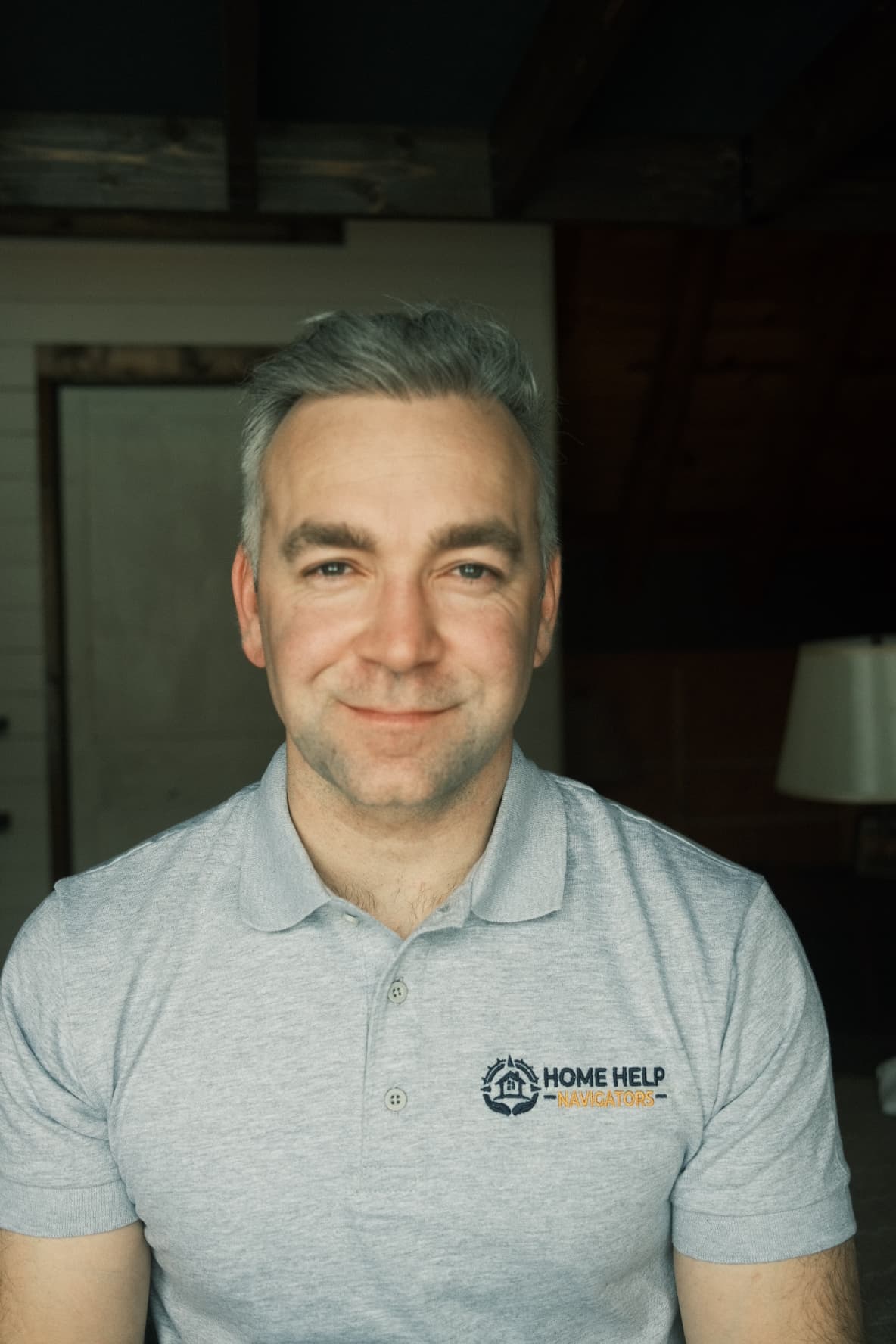
I'm Eddy Beyne, a member of the Sault Ste. Marie Tribe of Chippewa Indians. I put this page together as a free resource for tribal families, because caring for our elders at home — surrounded by family and community — is how many of us want it done, and too few families know Michigan will help pay for it.
Eddy Beyne
Founder · Member, Sault Ste. Marie Tribe of Chippewa Indians
Care that stays in the family
Michigan's Home Help Program is a Michigan Medicaid benefit that pays a family member or trusted friend to provide in-home care — help with bathing, dressing, meals, medications, and daily life. The caregiver is paid $18/hour, up to about 180 hours per month, depending on the level of care the state authorizes.
For many tribal families, this means an elder can stay in their own home, cared for by their own people — a granddaughter, a son, a niece — instead of moving into a facility. About 61,000 Michigan families are already enrolled.
Does this affect tribal benefits or IHS services?
Home Help is a state Medicaid benefit— it works alongside Indian Health Service (IHS) and tribal health services, not in place of them. Enrolling in Home Help doesn't take anything away from the care an elder receives through IHS, a tribal health center, or tribal programs.
Every family's situation is different, though — if you have questions about how these programs fit together for your household, we're glad to talk it through on a free call, and your tribal health or benefits office is always a good resource too.
Who can be paid, and who qualifies
The paid caregiver can be:
- Adult children and grandchildren caring for a parent or grandparent
- Siblings, nieces, nephews, and other relatives
- Trusted friends and neighbors within the community
- The one exception: a spouse can't be the paid caregiver (a federal Medicaid rule)
Enrolled in Michigan Medicaid
The elder or disabled adult receiving care must be enrolled in Michigan Medicaid (or be able to enroll — we can help with that step too).
Needs help with daily activities
Things like bathing, dressing, meals, medications, mobility, or getting around the house. A state assessment confirms the level of care needed.
Lives in Michigan
The program serves all 83 Michigan counties — on and off tribal lands, in cities and rural communities alike.
What enrollment actually looks like
Families ask us this constantly, so here is the honest walk-through of how a family goes from “never heard of Home Help” to a paid caregiver:
- 1
Michigan Medicaid comes first. The elder or disabled adult must be enrolled in Michigan Medicaid. If they aren't yet, that application happens through MI Bridges (the state's online portal) or the local MDHHS office — and yes, we help with that step too. Having IHS or tribal health coverage doesn't get in the way; an elder can have both.
- 2
Ask MDHHS for Home Help. The request goes to the Adult Services program at the county MDHHS office. It doesn't matter whether the family lives on or off tribal lands — Home Help works in all 83 counties.
- 3
A state assessment visit. An MDHHS adult services worker meets with the elder (usually at home) and scores how much help they need with daily activities — bathing, dressing, meals, medications, moving safely around the house. That score sets the number of paid hours per month.
- 4
The family chooses the caregiver. A granddaughter, a son, a niece, a trusted friend — the family decides who provides the care. The caregiver passes a background check and enrolls as a provider in CHAMPS, the state's Medicaid payment system. (This enrollment step is where many families stall; it's the part we handle most often.)
- 5
Care begins, and the caregiver gets paid. Once approved, the caregiver logs hours and is paid $18/hour, up to the monthly hours MDHHS authorized.
Start to finish, this usually takes several weeks to a few months, depending on whether Medicaid is already in place. The elder keeps every other benefit they have — this adds support; it doesn't replace anything.
Questions tribal families ask us
Does Home Help affect an elder's tribal benefits or per-capita payments?
Home Help pays the caregiver, not the elder, so it doesn't add income to the elder's household. The caregiver's pay is ordinary taxable income to the caregiver. Every tribe's programs are different, though — if your family receives per-capita payments or income-based tribal assistance, it's worth a conversation with your tribal benefits office, and we're glad to join that call.
Can the caregiver live in a different home than the elder?
Yes. The caregiver doesn't have to live with the elder — they just have to actually provide the care. A granddaughter who drives to her grandmother's house every day qualifies the same as one who lives there.
Our elder lives in a rural area — does that matter?
No. Home Help follows the person, not the place. It works in the UP, on tribal lands, and in the smallest townships the same as it works in Detroit. There's no requirement that an agency operates nearby, because the caregiver is someone the family already knows.
Does the elder have to leave IHS or tribal health care?
No. Home Help is a state Medicaid benefit that works alongside Indian Health Service and tribal health services. Nothing about the elder's IHS or tribal clinic care changes.
What if the elder isn't on Medicaid yet?
That's common, and it's step one. Michigan Medicaid for long-term supports has income and asset limits, but many elders qualify — especially those whose main income is Social Security. We walk families through the Medicaid application at no cost, and elders can often keep their home and a vehicle without affecting eligibility. (Every situation is different; we'll tell you honestly if Medicaid looks out of reach.)
Can more than one family member share the caregiving?
Yes. An elder can have more than one enrolled caregiver, with the authorized hours divided among them — the same hours just can't be billed twice. And if circumstances change, families can change caregivers altogether — we help with that paperwork too.
Is there really no cost? How does Home Help Navigators get paid?
There is no cost to the family — ever. We're a licensed Home Help Program agency provider (MDHHS License #6342517), and we're compensated through the program itself, the same way the state compensates other enrolled providers. Families never receive a bill from us.
Serving Michigan's tribal communities
Michigan is home to twelve federally recognized tribes: the Bay Mills Indian Community, Grand Traverse Band of Ottawa and Chippewa Indians, Hannahville Indian Community, Keweenaw Bay Indian Community, Lac Vieux Desert Band of Lake Superior Chippewa, Little River Band of Ottawa Indians, Little Traverse Bay Bands of Odawa Indians, Match-E-Be-Nash-She-Wish Band (Gun Lake Tribe), Nottawaseppi Huron Band of the Potawatomi, Pokagon Band of Potawatomi, Saginaw Chippewa Indian Tribe, and my own tribe, the Sault Ste. Marie Tribe of Chippewa Indians.
Home Help serves members of every tribe — and Native families who aren't enrolled members, and urban Native families far from tribal lands. Where a tribe offers its own elder services, Home Help works alongside them, and we're always glad to coordinate with a tribal elder services or social services office on a family's behalf.
Tribal and elder resources we trust
Home Help is one piece of caring for an elder. These organizations do work we respect and refer families to:
Your tribe's elder services office — most Michigan tribes run elder programs (meals, transportation, respite). Start there for tribe-specific support. (Sault Tribe members: Sault Tribe Elder Services, saulttribe.com)
Inter-Tribal Council of Michigan (itcmi.org) — health and family services coordination across Michigan's twelve tribes
American Indian Health & Family Services (aihfs.org) — health and family support for Native families in the Detroit/urban southeast Michigan area
Indian Health Service — Bemidji Area (ihs.gov) — federal health services for eligible Native families
National Indian Council on Aging (nicoa.org) — national advocacy and resources for Native elders
Michigan's Area Agencies on Aging (micaregiverconnection.com) — caregiver support, MI Choice waiver, and in-home services by region
1-800-MICH-VET — for elders or caregivers who are veterans or veteran family members, Michigan Veterans Affairs Agency can review the full picture of earned benefits
How our free service works
The full walkthrough lives on our How It Works page. The short version:
- 1
Free consultation
Tell us who you care for and where you live in Michigan. We review your situation on a quick, no-pressure call — no cost, no obligation.
- 2
We handle all the paperwork
This is the part that stops most families. Our team takes care of every form and every step, start to finish. It's 100% free to your family.
- 3
Your family member gets paid $18/hr
Once set up, the caregiver is paid $18/hour to care for your loved one at home — often for care they're already providing.
Wondering if your family qualifies?
No forms required to start — a free phone conversation is enough to find out.
Prefer to write first? Send us a message.
Founded by a member of the Sault Ste. Marie Tribe of Chippewa Indians. Free to families. We are not affiliated with MDHHS, IHS, or any tribal government.